
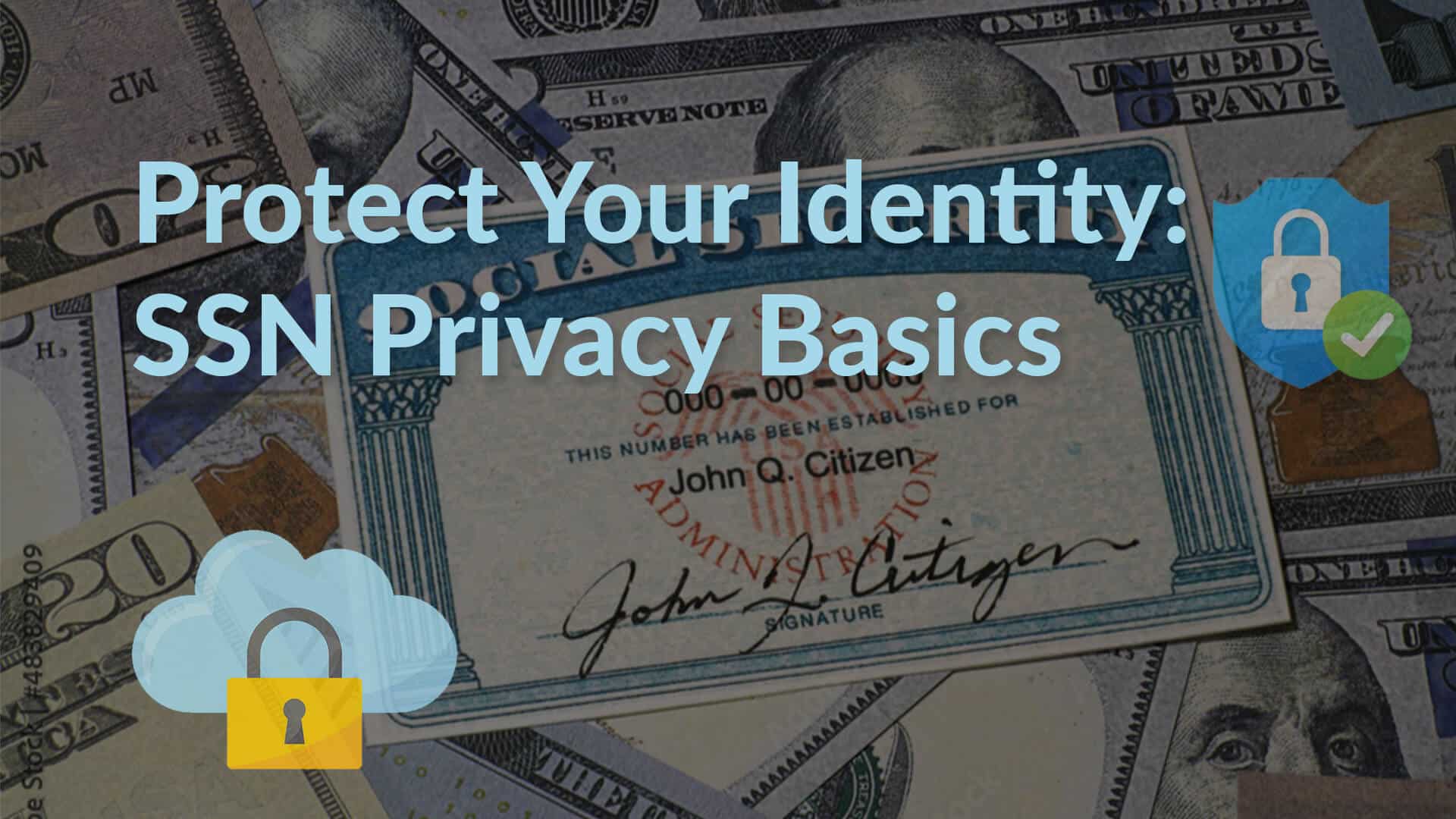
Protect Your Identity: SSN Privacy Basics
Did you know over 1.5 million Americans fell victim to identity theft in 2021? Your Social Security number (SSN) is key to your financial identity. Protecting it is vital for your personal and financial safety. This guide will teach you how to keep your SSN private and secure. It will help you manage your personal information in today’s world.
In today’s digital world, your SSN is a valuable asset. Identity thieves are always looking to use it for their benefit. By learning about SSN privacy and using strong security, you can lower your risk of identity theft or financial fraud.
This guide will discuss the dangers of SSN exposure and how to handle sensitive documents safely. It will also cover the latest online privacy tools and resources. If you’re worried about your personal information or just want to stay informed, this article has the knowledge and tools you need. It will help you protect your identity and secure your financial future.
Understanding the Importance of SSN Privacy
Your Social Security number is a key piece of personal info. It unlocks your financial and identity records. This makes it a prime target for identity thieves. Knowing the value of ssn privacy helps you protect this critical info.
Why Your Social Security Number is Valuable
Your Social Security number opens doors to your personal and financial history. It lets you access important info like credit reports and tax records. For thieves, getting your SSN means they can commit fraud, like opening fake credit accounts or filing false tax returns.
Consequences of SSN Exposure
Exposing your Social Security number can cause big problems. Identity theft can ruin your credit and lead to financial losses. You’ll also spend a lot of time and effort fixing the damage. Misusing your SSN can also risk your financial future, affecting loans, mortgages, and jobs.
Keeping your personal data protection safe is key in today’s world. With info breaches and identity theft on the rise, protecting your SSN is essential. By understanding its value and the risks, you can take steps to keep your info safe and avoid identity crimes.
Safeguarding Your SSN from Prying Eyes
Keeping your Social Security number (SSN) safe is very important today. Identity thieves can use this info to harm you. To keep your SSN safe, use smart ways to store, share, and throw away documents with it.
One good way to protect your SSN is to limit its use and disclosure. Only give out your SSN when you really have to, like when you file taxes or apply for a job. Don’t carry documents with your SSN in your wallet or purse. This makes it easier for them to get stolen.
When you store sensitive documents, make sure they are in a safe place. Use a document shredder to get rid of any papers with your SSN. This way, no one can misuse your info.
Also, be careful when you share your SSN over the phone or by email. Make sure the person asking for it is really who they say they are. If you’re not sure, don’t give out your SSN and contact them officially instead.
By following these ssn privacy tips, you can lower the chance of your personal info being used wrong. Always be careful and take steps to protect your SSN. This helps keep your identity and money safe.
ssn privacy: Guarding Your Personal Information
Keeping your personal data safe, like your Social Security number (SSN), is key to protecting your privacy and security. It’s important to handle sensitive documents like invoices, tax forms, and medical records carefully. This helps prevent your SSN from being accidentally shared.
Best Practices for Handling Sensitive Documents
To keep your ssn privacy and manage your personal data well, follow these tips for handling sensitive documents:
- Keep important documents in a safe place, like a locked cabinet or a home safe.
- Shred any documents with your SSN or personal info before throwing them away.
- Be careful when sharing your SSN. Only give it out when you really have to, like when filing taxes or applying for a loan.
- Make digital copies of important documents and store them safely in encrypted cloud storage or on an external hard drive.
- Check your credit report often and watch your financial accounts for any odd activity that might suggest identity theft.
By following these document security tips, you can better protect your ssn privacy and personal data. This reduces the chance of identity theft and other problems caused by SSN exposure.
Identifying and Preventing Identity Theft
Identity theft is a big problem, with scammers always finding new ways to steal your info. To keep yourself safe, it’s important to know how thieves work and how to protect your identity.
Common Tactics Used by Identity Thieves
Thieves use many ways to get your personal info, including:
- Phishing scams, where they pretend to be real companies to get your sensitive data
- Stealing your wallet or purse to get your identity theft prevention and fraud detection documents
- Intercepting your mail to get your personal information protection documents
- Hacking into your online accounts to steal your login info and other private data
By being careful and using strong identity theft prevention steps, you can lower your chances of being a victim.
To protect your identity, check your credit reports often, shred important documents, and be careful with your personal information protection online or on the phone. Also, knowing the latest fraud detection tricks can help you spot and report suspicious actions quickly.
Monitoring Your Credit Report for Suspicious Activity
Protecting your financial identity is key to personal safety. One top way to fight identity theft is through credit report monitoring. By checking your credit report often, you can spot odd activity. This could be new accounts or credit checks you didn’t ask for. Then, you can act fast to keep your financial security safe.
Keeping an eye on your credit report helps you stay ahead of identity thieves. Here are some important steps to keep your credit safe:
- Get your credit report from Experian, Equifax, and TransUnion every four months.
- Look over your credit report for any odd entries, like accounts you don’t know about or credit checks from unknown places.
- Tell the credit bureaus about any odd activity right away. You might want to put a fraud alert or freeze on your credit to stop more harm.
- Watch your credit scores and how much credit you use. Big changes could mean identity theft is happening.
- Sign up for a credit report monitoring service. It will send you alerts about changes to your credit, so you can catch odd activity early.
By watching your credit report and protecting your personal info, you can lower the chance of identity theft. Being alert and acting fast helps keep your credit report monitoring and financial security strong.
Online Privacy Tools and Resources
In today’s digital world, keeping your online presence and personal info safe is key. This part talks about tools and resources for online privacy. It covers secure browsing and data encryption to help you stay safe online.
Secure Browsing and Data Encryption
To keep your online life private and safe, try these tools and methods:
- Virtual Private Network (VPN): A VPN encrypts your internet, hiding your online actions and IP address. It keeps your data and privacy safe.
- Secure Messaging Apps: Use encrypted messaging apps for safe chats. They protect your digital talks from unwanted eyes.
- Secure Web Browsers: Choose web browsers that block trackers and cookies. They help keep your online privacy safe.
- Two-Factor Authentication: Turn on two-factor authentication for your online accounts. It adds extra security and stops unauthorized access to your info.
Using these online privacy, data security, and digital identity protection tips can greatly improve your security. They help protect your personal info, like your Social Security number.
Cybersecurity Measures for Protecting Digital Identities
In today’s digital world, keeping your online identity safe is key. We use technology more and more for everyday tasks. It’s important to use strong cybersecurity to protect your personal info, like your Social Security number. This section will show you how to strengthen your digital identity protection and avoid data breaches.
First, make sure your devices are safe. Update your computers, smartphones, and tablets regularly. This fixes bugs and keeps hackers out of your accounts and data.
Also, use strong and different passwords for all online accounts. A password manager can help with this. Use two-factor or multi-factor authentication to add extra security to your logins.
But it’s not just about your devices and accounts. Be careful when you’re online. Only visit trusted sites and avoid suspicious links or downloads. Use secure browsing and data encryption tools to keep your online activities safe.
By following these cybersecurity steps, you can greatly improve your digital identity protection. This will help lower the chance of data breaches that could harm your personal and financial info.
Fraud Prevention Strategies for Consumers
Protecting yourself from fraud is key to keeping your money and personal info safe. Knowing how identity thieves work and spotting fraud signs helps a lot. This way, you can lower the risks of fraud prevention, identity theft reporting, and consumer protection.
Recognizing and Reporting Fraudulent Activities
Being alert and spotting fraud early is your best defense. Look out for these signs:
- Unsolicited requests for personal info, like your Social Security number or bank details.
- Unexpected charges or odd transactions on your financial statements.
- Getting calls or emails that seem real but ask for sensitive info.
If fraud seems likely, report it right away. Call your banks, the Federal Trade Commission, and local police to start an investigation and protect your identity.
By staying informed and proactive, you can fight fraud and identity theft. Remember, being careful, spotting fraud, and acting fast are the keys to fraud prevention. This keeps your personal info and money safe.
Identity Verification Protocols in the Digital Age
Technology is changing our lives fast. It’s key to know about identity verification protocols that keep our personal info safe online. These systems are vital for protecting our Social Security numbers and other sensitive data in today’s connected world.
Digital identity management is a big part of identity verification today. It’s about creating, using, and managing our online identities securely. With strong digital identity management, businesses can check if their customers are who they say they are. This stops unauthorized access to personal information security.
- Biometric authentication, like fingerprint or facial recognition, adds extra security. It’s more than just passwords.
- Two-factor or multi-factor authentication is common now. It asks for more than one form of ID for online transactions and account access.
- Blockchain technology is being looked at for secure digital identity management. It lets users control their personal info better.
As the digital world keeps changing, it’s important to know about the latest identity verification methods. This knowledge helps us stay safe online. By understanding these advancements, we can confidently move through the digital world and protect our identities.
Navigating Data Security Regulations and Laws
In today’s digital world, personal info is always at risk. It’s key to know the laws that protect sensitive data like Social Security numbers. Learning about these laws helps keep your identity and personal info safe from misuse or unauthorized access.
The data privacy laws in the U.S., like the General Data Protection Regulation (GDPR) and the California Consumer Privacy Act (CCPA), guide how to protect personal information protection. They tell people about their data rights and what businesses must do to follow the rules.
To understand these data security regulations and laws, follow these steps:
- Learn about the data privacy laws in your area. Know what businesses and people must do.
- Know your rights as a consumer. This includes the right to see, change, or delete your data.
- Find out how to report a breach or violation of regulatory compliance if you suspect one.
- Keep up with any changes to data privacy laws and regulations that might affect your data.
By being proactive and informed about data security regulations and laws, you can protect your identity and personal info. This makes you a responsible digital consumer.
Conclusion: Empowering Yourself with SSN Privacy Knowledge
By reading this guide, you’ve taken a big step. You now know how to protect your Social Security number and keep your identity safe. Remember, being careful and taking action are key to keeping your personal info secure in today’s digital world.
You’ve learned about the importance of SSN privacy and how to avoid identity theft. This knowledge helps you make smart choices and manage your personal info well. Stay alert, use online privacy tools, and follow best practices to keep your SSN safe.
Understanding ssn privacy, identity protection, and personal information management helps you stay safe online. With this knowledge, you can protect your identity and stay safe for years.




Add comment