
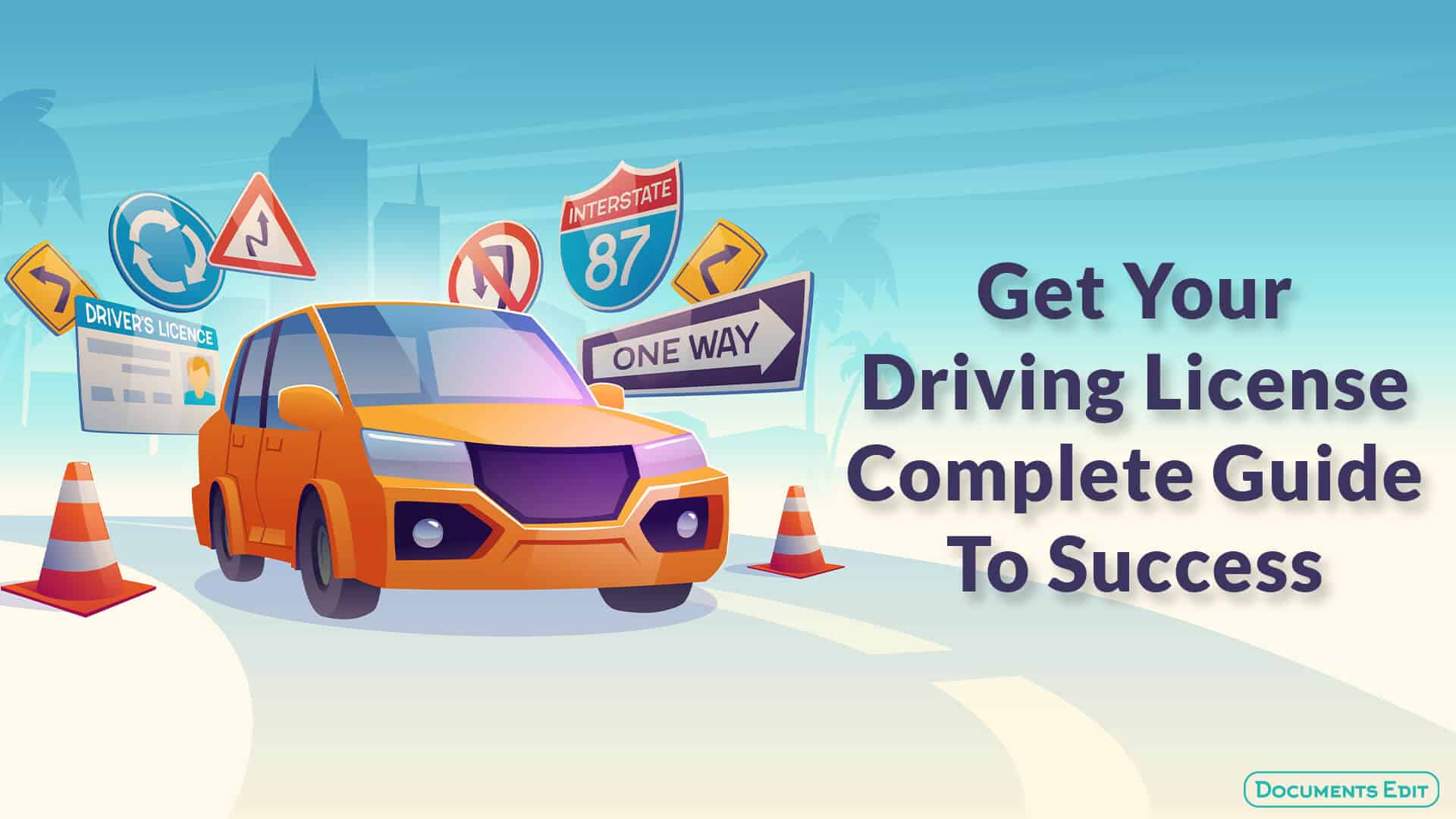
Get Your Driving License: Complete Guide to Success
Getting my driving license was a huge thrill. It took months of hard work and dedication. That moment of freedom and independence was life-changing.
If you’re working on getting your driving license, know it’s worth it. This guide will help you through every step. You’ll learn how to face challenges with confidence.
It doesn’t matter if you’re a new driver or need to renew your license. This article will give you the key info and tips. You’ll learn how to get your driving license, license to drive, and handle the DMV process smoothly.
We’ll cover everything from the basics to acing tests. With the right prep and attitude, you’ll be driving soon. You’ll feel empowered by the freedom and independence of having your DMV license. Let’s start your journey to driving success!
Understanding Basic Requirements for Your Driver’s License
Getting a driver’s license is a big step. It lets you drive legally. But, you need to know what your state’s Department of Motor Vehicles (DMV) requires first.
Age Requirements by State
The age to get a driver’s license varies by state. Most states say you must be 16. But, some states have different rules. Make sure you know your state’s age rule for a motor vehicle license.
Required Documentation
You also need to show certain documents at the DMV. This includes a valid ID, like a birth certificate or passport. You’ll also need proof of your social security number and where you live. Have these documents ready to make the driving eligibility process faster.
Residency Verification
You must show you live in the state where you’re applying for a license. You can use a utility bill, lease, or bank statement with your address. Having the right residency proof makes your application smoother and gets you driving sooner.
Steps to Obtain Your Learner’s Permit
Getting a learner’s permit is the first big step to becoming a licensed driver. This permit lets you practice driving with a licensed adult. It’s the start of your journey to getting a driver’s license. Let’s look at the key steps to get your learner’s permit.
First, you need to meet your state’s age requirements. These can differ, so check your local rules. After that, you’ll need to collect the needed documents. These usually include proof of who you are, where you live, and sometimes your social security number.
Next, book an appointment at your local DMV or state agency. There, you’ll take a written test. It covers traffic signs, road rules, and safe driving. Passing this test gets you your learner’s permit. This lets you drive with a licensed adult’s supervision.
The learner’s permit has rules, like limits on passengers and driving hours. Know these rules to stay safe and follow the law while you practice driving.
By following these steps, you’re on your way to getting your driver’s permit and license. Remember, the learner’s permit is a key step to becoming a safe and confident driver.
Essential Study Materials for Written Test Success
To pass the written driver’s license exam, you need to know the key study materials. Start by reading your state’s driver’s manual. It covers traffic laws, safe driving, and how to get your license.
Online practice tests are also great for studying. They mimic the driver’s license exam and help you find areas to improve. Taking many tests boosts your confidence and gets you ready for the real exam.
Traffic Signs and Signals
Knowing traffic signs and signals is key for the written test. The driver’s manual explains the different signs, their colors, and rules. Make sure you understand this well for the test.
With these study materials, you’ll do well on the written test. Remember, good preparation is the secret to success in the driver’s license exam.
Behind-the-Wheel Training Requirements
Getting your driving license is a big deal, but it takes time. One key part is the behind-the-wheel training. This hands-on learning is vital for learning to drive safely.
The rules for this training vary by state. But most places require you to practice with a licensed adult for 40-50 hours. This lets you get good at things like turning and parking with an experienced person guiding you.
You can take a formal driving license course or practice with a parent or guardian. The important thing is that your practice driver must meet the state’s standards. They usually need to have had a license to drive for a few years.
While you’re learning, you might face some rules. For example, you might not be allowed to drive at night or with too many passengers. These rules help you focus on learning without distractions.
Completing the behind-the-wheel training is a big step towards getting your driving license. With dedication and practice, you’ll become a confident and safe driver.
Mastering Your Driving Skills for the Road Test
Passing the road test is the last step to get your driving certification. To do well, you need to improve your driving skills. This includes mastering specific maneuvers like parallel parking, three-point turns, and safe lane changes.
Parallel Parking Techniques
Parallel parking is a big challenge in the road test. But, with the right steps, you can get it right. Start by lining up your car next to the car in front of your spot, with your rear bumper touching theirs.
Slowly back up, turning sharply to the right until you’re at a 45-degree angle to the curb. Keep going, straightening your wheels until you’re perfectly in the space.
Three-Point Turns
Three-point turns, or K-turns, are key during the road test. First, signal and pull over to the right. Reverse until your rear wheels are near the curb, then turn sharply to the left.
Keep reversing until you’re facing the opposite direction. Then, drive forward to finish the turn.
Safe Lane Changes
Changing lanes safely is a must for drivers. It’s often tested in the road test. Always check your blind spots, signal, and keep a steady speed before changing lanes.
Move into the next lane slowly, keeping a safe distance from other cars. Keep your eyes on the road and your hands on the wheel.
Common Mistakes to Avoid During Your Driving License Test
Getting a driver’s license is exciting but also a bit scary. The thrill of driving on your own is great, but you must avoid common mistakes. These mistakes can ruin your chances of passing the DMV license and driver’s license exam. By avoiding these errors, you’ll have a better chance of passing and enjoying the freedom of driving.
One big mistake is not preparing well. Not studying the driver’s manual or practicing driving can lead to failure. It’s important to study hard and practice driving to pass both exams.
Another mistake is not following the examiner’s instructions. Small mistakes, like forgetting to check safety or use turn signals, can fail you. Always listen to the examiner and follow the rules of the road.
Test anxiety is also a big problem. Letting nerves get the best of you can cause mistakes. Try relaxation techniques like deep breathing to stay calm and focused during the test.
By avoiding these mistakes and focusing on preparation, attention to detail, and managing stress, you’ll do great. You’ll get your DMV license and pass the driver’s license exam with ease.
Understanding DMV Fees and Processing Times
Getting a motor vehicle license or driving license comes with fees and timelines. Knowing these details helps you plan and budget. This ensures a smooth and efficient process.
License Fee Structure
The cost of a license varies by state, from $20 to $70 or more. Fees cover the application, written test, road test, and license. Some states charge extra for renewals, replacements, or upgrades. It’s key to check your state’s fees to avoid surprises.
Payment Methods
DMVs accept cash, check, money order, or credit/debit cards. Some offer online payments for convenience. Make sure you have the money ready when you visit the DMV.
Processing Timeframes
License processing time varies, from days to weeks, based on the DMV’s workload. Factors like documentation, test scheduling, and staff availability affect time. Check your state’s DMV website or call them for the latest on processing times.
What to Expect on Your Road Test Day
The road test day is the last step to get your driving license. It’s important to be ready and know what to expect. This will help you have a smooth and successful experience. Let’s look at the details of your road test.
First, make sure you have all the needed documents. This includes your driving eligibility permit and any ID your state’s DMV asks for. Wear something comfortable and make sure your car is in good shape. The examiner will check your car before the test starts.
During the road test, the examiner will check if you can drive safely. They’ll look at how you turn, change lanes, and park. They want to see if you follow traffic rules, know what’s around you, and control the car well.
Stay calm and focused during the test. If you’re not sure about something, ask the examiner. The goal is to show you’re ready to drive safely on the roads.
Knowing what to expect on your road test day will help you feel confident. You can show off your driving skills to the examiner. Good luck on your way to getting your driving license!
Conclusion
You’ve learned the key steps to get your driving license. From knowing the basics to mastering driving skills, you’re ready to start your journey. You now have the knowledge and tools to become a licensed driver.
Getting your license might face some challenges, but don’t give up. Stay dedicated, keep practicing, and always drive safely. With hard work and confidence, you can pass your driving test.
This is a big moment in your life. A driver’s license brings freedom and independence. It lets you see new places, meet new people, and improve your life. Take this chance and enjoy the journey ahead.


Add comment